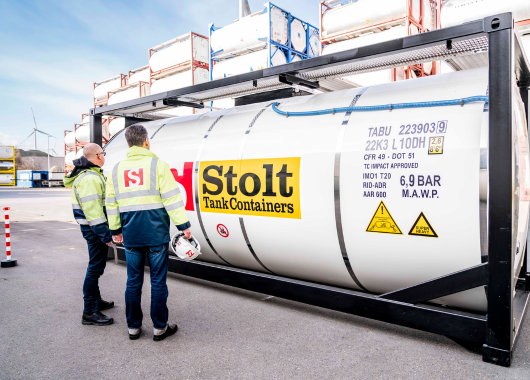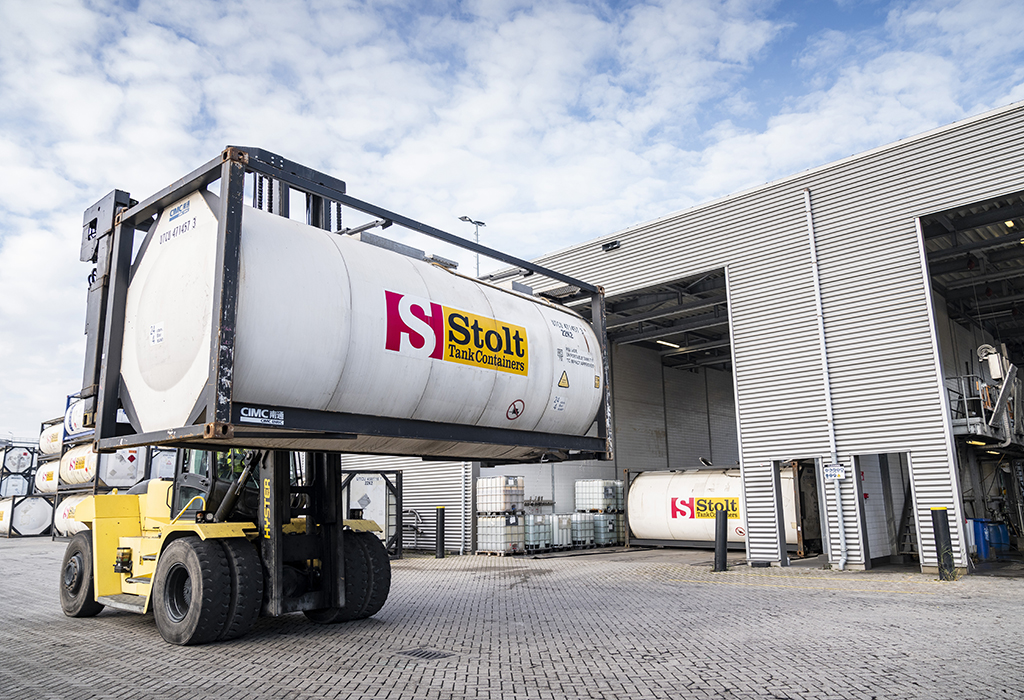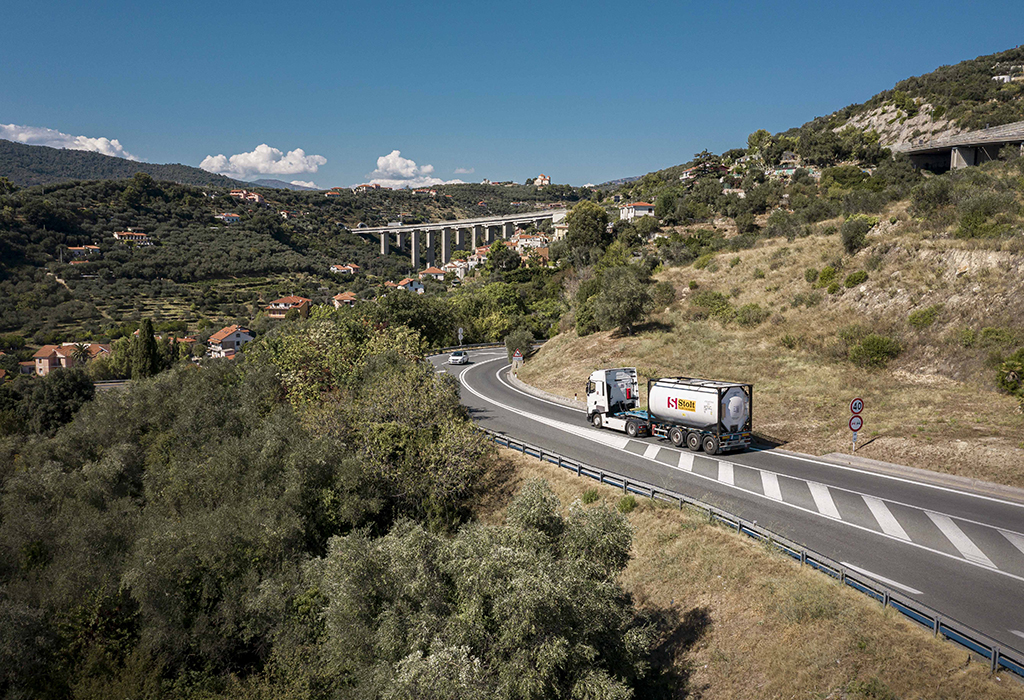

Every ISO tank shipment depends on getting one number right: the degree of filling.
ISO Tank Filling Ratio Compliance
Transport safety
Filling an ISO tank to the correct level protects the cargo and the tank throughout the journey. Staying within the approved range:
-
Prevents surge (sloshing) during transit
-
Avoids excessive pressure caused by temperature variation
-
Reduces the risk of leaks or structural stress
-
Maintains the tank's integrity for the full voyage
Regulatory compliance
ISO tanks must meet international minimum and maximum filling limits under IMDG and national standards regulations. Falling outside these limits can lead to:
-
Port or vessel rejection
-
Regulatory penalties or fines
-
Mandatory tank withdrawal and rectification
-
Shipment delays and additional terminal or storage costs
-
Reputational exposure for everyone involved
Understanding the Filling Limits
Maximum filling
-
The maximum permitted degree of filling depends on the product being shipped, based on the following scenarios:
-
97.00% of the tank's volumetric capacity (in litres) for hazardous products classified under TP1 in the IMDG Code, or for all non-hazardous products
-
95.00% of the tank's volumetric capacity (in litres) for products classified under TP2, TP3, TP33, or marine pollutant categories under the IMDG Code
-
A calculated maximum fill volume for certain products, based on the IMDG calculation method using the product's expansion coefficient
-
Up to 100% for certain non-hazardous food products susceptible to contamination from air exposure, subject to a risk assessment by Stolt Tank Containers
Minimum filling
Partly filled tanks carry a higher risk of surge, so the tank should be filled to less than 20.00% or more than 80.00% of its volumetric capacity (in litres). For certain non-hazardous products, the minimum degree of filling may be lowered to 70.00%, subject to a risk assessment by Stolt Tank Containers.

Exceptions to the minimum fill requirement
The minimum fill requirement does not apply where:
-
The product's kinematic viscosity at 20°C, or at the transport temperature, is greater than 2,680 cSt (mm²/s), or
-
The tank container shell is divided into compartments by partitions or surge plates (baffle tanks)
The exact permissible volume and maximum gross weight must always be calculated using the actual product density at the time of loading, along with temperature, tank capacity, tank tare weight and applicable transport regulations.
Some products and equipment qualify for case-by-case exemptions. If you are uncertain whether an exemption applies, or how factors such as density, viscosity or product temperature affect your filling calculation, contact your Stolt Tank Containers representative and obtain approval for the required filling level before loading.
What Happens If a Tank Falls Outside the Limits
If a tank's filling level falls outside the approved range, it will need to be adjusted to a compliant level before it can be shipped. Therefore, getting the filling level right from the outset helps keep shipments moving without disruption and avoids any costs or delays arising from the corrective actions.
How Stolt Tank Containers Supports Compliance
We work alongside our customers at every stage of the loading process to keep shipments safe, compliant and on schedule. This includes:
-
Providing guidance on compliant loading quantities
-
Reviewing shipment details before dispatch to verify conformance
-
Supporting adherence to international transport standards
Our goal is straightforward: safe movement, zero incidents, zero delays, and full protection of your brand and supply chain.
If you have any questions about filling ratios, exemptions or how to calculate the correct level for your product, contact your Stolt Tank Containers representative before loading.
We are happy to help you get it right, every time.